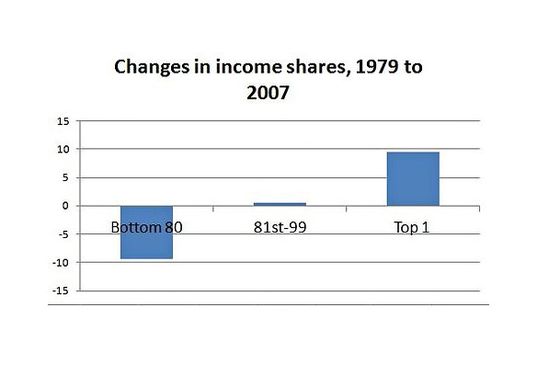
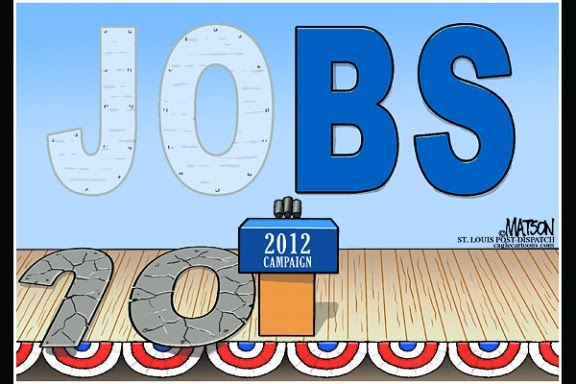
Rich Get Richer. 2012 the Rich "R" Richer than ever....

The Rich Get Richer Through the Recovery
By ANNIE LOWREY http://economix.blogs.nytimes.com/2013/09/10/the-rich-get-richer-through-the-recovery/?src=me&ref=general
The top 10 percent of earners took more than half of the country’s
total income in 2012, the highest level recorded since the government
began collecting the relevant data a century ago, according to an updated study by the prominent economists Emmanuel Saez and Thomas Piketty.
The top 1 percent took more than one-fifth of the income earned by Americans, one of the highest levels on record since 1913, when the government instituted an income tax.
The figures underscore that even after the recession the country remains in a new Gilded Age, with income as concentrated as it was in the years that preceded the Depression of the 1930s, if not more so.
High stock prices, rising home values and surging corporate profits have buoyed the recovery-era incomes of the most affluent Americans, with the incomes of the rest still weighed down by high unemployment and stagnant wages for many blue- and white-collar workers.
“These results suggest the Great Recession has only depressed top income shares temporarily and will not undo any of the dramatic increase in top income shares that has taken place since the 1970s,” Mr. Saez, an economist at the University of California, Berkeley, wrote in his analysis of the data.
The income share of the top 1 percent of earners in 2012 returned to the same level as before both the Great Recession and the Great Depression: just above 20 percent, jumping to about 22.5 percent in 2012 from 19.7 percent in 2011.
That increase is probably in part due to one-time factors. Congress made a last-minute deal to avoid the expiration of all of the Bush-era tax cuts in January. That deal included a number of tax increases on wealthy Americans, including bumping up levies on investment income. Seeing the tax changes coming, many companies gave large dividends and investors cashed out.
But the economists noted that the trends looked the same for income figures including and excluding realized capital gains — implying that the temporary tax moves were not the only reason the top 1 percent did so well relative to everyone else in 2012.
More generally, richer households have disproportionately benefited from the boom in the stock market during the recovery, with the Dow Jones industrial average more than doubling in value since it bottomed out early in 2009. About half of households hold stock, directly or through vehicles like pension accounts. But the richest 10 percent of households own about 90 percent of the stock, expanding both their net worth and their incomes when they cash out or receive dividends.
The economy remains depressed for most wage-earning families. With sustained, relatively high rates of unemployment, businesses are under no pressure to raise their employees’ incomes because both workers and employers know that many people without jobs would be willing to work for less. The share of Americans working or looking for work is at its lowest in 35 years.
There is a glimmer of good news for the 99 percent in the report, though. Mr. Piketty and Mr. Saez show that the incomes of that group stagnated between 2009 and 2011. In 2012, they started growing again — if only by about 1 percent. But the total income of the top 1 percent surged nearly 20 percent that year. The incomes of the very richest, the 0.01 percent, shot up more than 32 percent.
The new data shows that the top 1 percent of earners experienced a sharp drop in income during the recession, of about 36 percent, and a nearly equal rebound during the recovery of roughly 31 percent. The incomes of the other 99 percent plunged nearly 12 percent in the recession and have barely grown — a 0.4 percent uptick — since then. Thus, the 1 percent has captured about 95 percent of the income gains since the recession ended.
Mr. Saez and Mr. Piketty have argued that the concentration of income among top earners is unlikely to reverse without stark changes in the economy or in tax policy. Increases that Congress negotiated in January are not likely to have a major effect, Mr. Saez wrote, saying they “are not negligible, but they are modest.”
Mr. Saez and Mr. Piketty, of the Paris School of Economics, plan to update their data again in January, after more complete statistics become available.
The top 1 percent took more than one-fifth of the income earned by Americans, one of the highest levels on record since 1913, when the government instituted an income tax.
The figures underscore that even after the recession the country remains in a new Gilded Age, with income as concentrated as it was in the years that preceded the Depression of the 1930s, if not more so.
High stock prices, rising home values and surging corporate profits have buoyed the recovery-era incomes of the most affluent Americans, with the incomes of the rest still weighed down by high unemployment and stagnant wages for many blue- and white-collar workers.
“These results suggest the Great Recession has only depressed top income shares temporarily and will not undo any of the dramatic increase in top income shares that has taken place since the 1970s,” Mr. Saez, an economist at the University of California, Berkeley, wrote in his analysis of the data.
The income share of the top 1 percent of earners in 2012 returned to the same level as before both the Great Recession and the Great Depression: just above 20 percent, jumping to about 22.5 percent in 2012 from 19.7 percent in 2011.
That increase is probably in part due to one-time factors. Congress made a last-minute deal to avoid the expiration of all of the Bush-era tax cuts in January. That deal included a number of tax increases on wealthy Americans, including bumping up levies on investment income. Seeing the tax changes coming, many companies gave large dividends and investors cashed out.
But the economists noted that the trends looked the same for income figures including and excluding realized capital gains — implying that the temporary tax moves were not the only reason the top 1 percent did so well relative to everyone else in 2012.
More generally, richer households have disproportionately benefited from the boom in the stock market during the recovery, with the Dow Jones industrial average more than doubling in value since it bottomed out early in 2009. About half of households hold stock, directly or through vehicles like pension accounts. But the richest 10 percent of households own about 90 percent of the stock, expanding both their net worth and their incomes when they cash out or receive dividends.
The economy remains depressed for most wage-earning families. With sustained, relatively high rates of unemployment, businesses are under no pressure to raise their employees’ incomes because both workers and employers know that many people without jobs would be willing to work for less. The share of Americans working or looking for work is at its lowest in 35 years.
There is a glimmer of good news for the 99 percent in the report, though. Mr. Piketty and Mr. Saez show that the incomes of that group stagnated between 2009 and 2011. In 2012, they started growing again — if only by about 1 percent. But the total income of the top 1 percent surged nearly 20 percent that year. The incomes of the very richest, the 0.01 percent, shot up more than 32 percent.
The new data shows that the top 1 percent of earners experienced a sharp drop in income during the recession, of about 36 percent, and a nearly equal rebound during the recovery of roughly 31 percent. The incomes of the other 99 percent plunged nearly 12 percent in the recession and have barely grown — a 0.4 percent uptick — since then. Thus, the 1 percent has captured about 95 percent of the income gains since the recession ended.
Mr. Saez and Mr. Piketty have argued that the concentration of income among top earners is unlikely to reverse without stark changes in the economy or in tax policy. Increases that Congress negotiated in January are not likely to have a major effect, Mr. Saez wrote, saying they “are not negligible, but they are modest.”
Mr. Saez and Mr. Piketty, of the Paris School of Economics, plan to update their data again in January, after more complete statistics become available.
Labels: income inequality, rich v. poor, top one percent
posted by A Jesuit's Jottings at
Wednesday, September 11, 2013
|
3 Comments